Table Of Content
- Are there any technological advancements being made to improve the fuel efficiency of cruise ships in the future?
- Freedom of the Seas
- Cruise Ship Propulsion
- Participating in Shore Excursions with Positive Impacts
- Engine Type and Fuel Efficiency
- Passenger Awareness and Responsible Travel Choices
- How Many Gallons Of Fuel Does A Cruise Ship Use
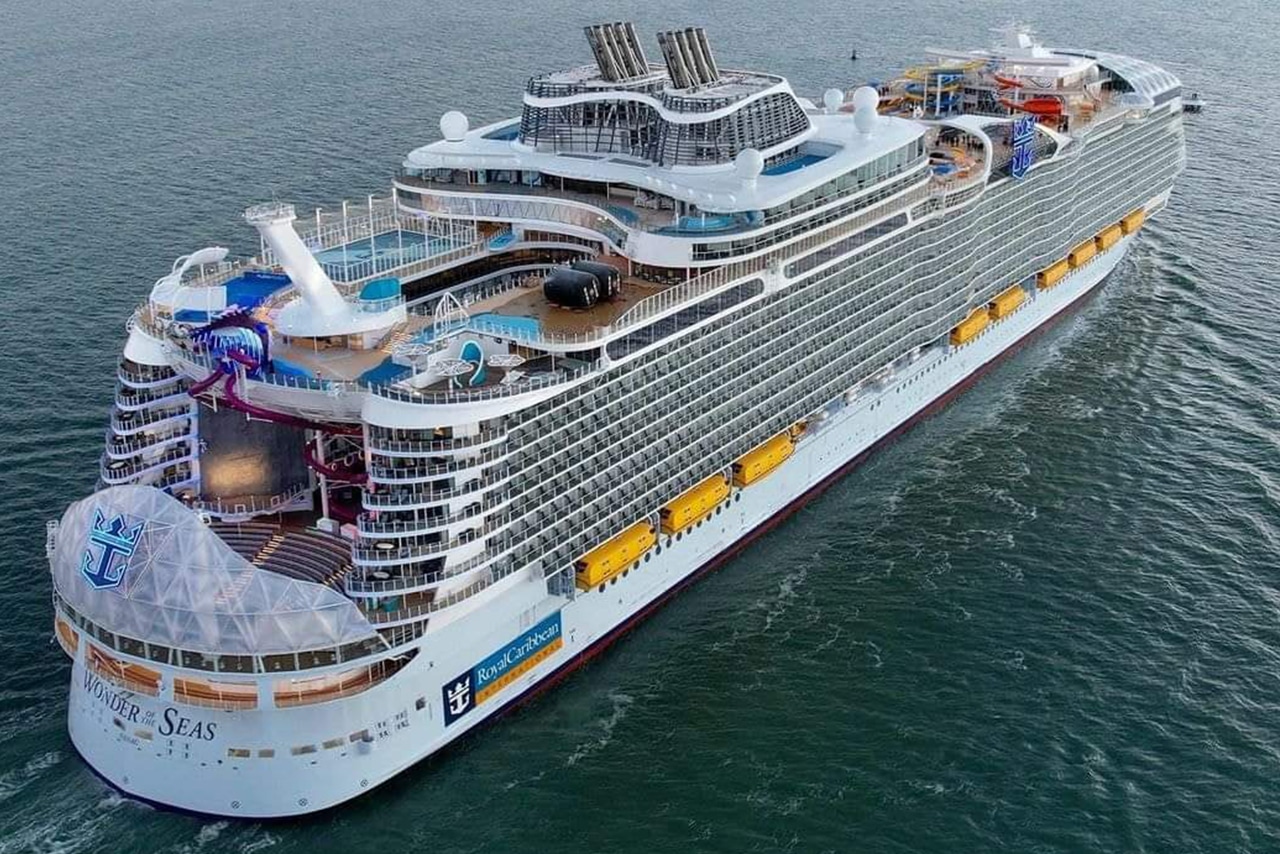
The public opinion has shifted, and there is mounting pressure on cruise ship companies to reduce their fuel consumption and carbon emissions. To put it in a more personal perspective, that’s way more fuel than most of us will use in our entire lifetimes. It’s a figure that never ceases to amaze me, even after all my years of cruising and exploring the high seas. Every time I stand on the deck, looking out at the horizon, I can’t help but be awed by the sheer magnitude of what it takes to bring these grand adventures to life. As a cruiser who’s witnessed the evolution of these magnificent vessels, I find the shift towards more sustainable fuel options like LNG not just impressive but essential.
Are there any technological advancements being made to improve the fuel efficiency of cruise ships in the future?
The technology is based on the "Flettner rotor" (patented by Anton Flettner in 1922) and uses the so-called "Magnus effect" - the spinning rotor (rotating cylinder) drags airflow faster around one side. This creates pressure/speed difference that moves it in the direction of the opposite (lower-pressure) side, creating a force at a right angle to the direction of the wind. Unlike traditional cloth sails, the rotor needs no furling (stowing), reefing (reducing sail's area) or line-tending.
Freedom of the Seas
A small ship can get by on much less fuel while covering the same distance. This type of vessel is going to burn more fuel than a small ship that’s half its size because it’s going to need to displace a lot more water to maintain its buoyancy. In contrast, a ship traveling from San Juan to St. Thomas would go around 70 nautical miles and would use about 7,088 gallons of fuel. Though these numbers aren’t exact and don’t account for other factors such as speed, they demonstrate how distance makes a difference regarding fuel consumption. While cruise ship size definitions vary, generally, large vessels are those that carry more than 2,500 passengers.
Cruise Ship Propulsion
While it is challenging to provide an exact figure, industry estimates suggest that a mid-sized cruise ship can consume between 50 to 150 metric tons of fuel per day. If you’ve ever thought about cruise ship fuel consumption, you likely have a lot of questions. Cruise ships are engineering marvels that complete incredible feats — like taking passengers from St. Maarten to Barcelona while they swim, dine and lazily watch the sea pass by. But while guests enjoy life onboard and its many pleasures, the crew keeps the ship fueled and powered behind the scenes. In this post, we’ll answer a few common questions about cruise ships and how much fuel they use.
How much fuel does a cruise ship use? - University of Colorado Boulder
How much fuel does a cruise ship use?.
Posted: Mon, 25 Jul 2016 07:00:00 GMT [source]
Participating in Shore Excursions with Positive Impacts
As the cruise industry continues to innovate and embrace sustainable practices, the future of fuel consumption looks promising. With the industry’s collective efforts, cruise ships will continue to offer exceptional vacation experiences while protecting the environment and the destinations they visit. As public awareness and demands for sustainable cruising increase, cruise lines are investing in innovative solutions to reduce average fuel consumption per day.
One interesting statistic to note is that conch, a key ingredient in many Bahamian seafood dishes, is exported to over 40 countries worldwide. To achieve the perfect creamy texture, use a combination of cheeses and bake until golden and bubbly. As a vegan, I was delighted to find that Bahamian cuisine offers a variety of vegetarian-friendly dishes. From flavorful Peas n Rice to hearty Souse, there are options for everyone to enjoy. I love the satisfying combination of flavors in a Spicy Bahamian Seafood Omelette.
Other manufacturers have their sights set on LNG-fueled cruises in the future. Royal Caribbean’s Icon of the Seas will be its first luxury vessel with sustainable power. The company plans to pad its new Oasis of the Seas line with as many LNG cruises as possible. If a standard cruise ship weighs around 200,000 gross tons, you might expect that it doesn’t get much mileage per gallon.
How Many Gallons Of Fuel Does A Cruise Ship Use
World's largest seaports plus numerous smaller ports already have installed shoreside power capabilities providing shore-to-ship power supply to berthed vessels. You might think back to the Louis, the Canadian icebreaker ship we spoke about earlier, as another example of how the environment and weather conditions affect fuel use. When traveling through open water, the Louis burns about 7,925 gallons a day, or 330 gallons per hour.

Are There Any Traditional Bahamian Desserts That Complement These Savory Dishes?
Thankfully, many cruise ships are turning to LNG (liquefied natural gas) fuel. To eliminate the demerits of diesel fuel, modern cruise ships are using LNG propulsion. The storage of LNG and its usage parameters differ from that of any other available fuels. Its higher calorific value also has a great effect on the fuel efficiency of the engines.
Its lower cost and impact are why many trains, cruise, and transportation companies are making mass conversions to LNG. The same does not stand true for cruises and container ships, where speed is of paramount importance. With such high speed, the specific fuel oil consumption goes way over the bar. The fuel consumption for such ships reduced to 150MT when operating in the eco speed range. Moreover, it goes down further when the vessel is manoeuvring near the visiting ports. Most electric propulsion cruise ships have a twin-screw or triple-screw propeller design.
Fuel saving technologies have emerged as a result, helping cruise ships reduce their fuel consumption and carbon emissions. With their immense size and countless amenities, cruise ships require an extraordinary amount of fuel to operate. We will uncover the environmental impact of this fuel consumption, discussing the emissions and regulatory measures that have been put in place to mitigate the harm. While cargo ships typically travel at a steady 12 to 14 knots, cruise ships often zip through the seas at 24 to 26 knots. As a result, a cruise ship can use up to four times more fuel than a cargo vessel, highlighting the unique energy needs of these floating cities compared to their cargo-carrying counterparts. When we set foot on a cruise ship, enveloped in its grandeur and luxury, it’s easy to overlook what powers these floating cities.
As a fan of Caribbean cuisine, I can’t resist the savory goodness of Johnny Cakes. These fluffy cakes, similar to cornbread, are a staple in Bahamian breakfasts. Made with added sugar, butter, milk, and flour, they can be eaten alone or paired with curries and stews. Resembling pancakes, Johnny Cakes offer a delightful texture and a hint of sweetness that perfectly complements the savory dishes they accompany. I absolutely love the kick that Bahamian Macaroni and Cheese gives with its bell peppers, spices, jalapeños, and goat pepper.
While some carry as many as four million gallons, they usually measure over 1,300 feet long, far beyond the world’s largest cruise ships like Royal Caribbean’s Oasis Class. The cruise ships have a bottom-heavy design when it comes to bulk fuel storage. This accounts for the dynamic stability and also uses less space for higher passenger capacity. The specific consumption of fuel for power generation at the European cruise terminals is available.


No comments:
Post a Comment