Table Of Content

One to two million gallons of fuel could fit on a large cruise ship with a length of 900 to 1,100 feet. A 440-foot-long ferry, for example, might carry about 130,000 gallons of fuel, whereas a massive ship that is over 1,300 feet long can carry over 4 million gallons. The largest Windstar ships are less than 600 feet long, so as you might expect, they use a lot less fuel than a typical cruise ship. Although there are many different cruise ship size classifications, large ships are typically defined as those that can accommodate more than 2,500 passengers. Approximately 1,500 passengers can board a medium-sized ship, give or take. With a capacity of roughly 250 to 300 passengers, Windstar’s ships fall on the smaller end of this spectrum.
How do weather conditions, such as wind speed and sea currents, affect a cruise ship’s fuel consumption?
The pigeon peas, a lentil-like vegetable, provide a good source of protein for vegetarians. Considering these factors, the role of LNG in reducing emissions becomes a significant aspect to explore further. However, actual costs could be higher or lower, given that LNG prices can also vary widely, influenced by factors like regional availability, demand, and the costs of storage and transportation.
How much fuel does a cruise ship use per hour?
The average speed is about 20 to 25 knots, according to the International Maritime Organization (IMO). A knot is a unit of speed equivalent to one nautical mile per hour or 1.15 land-measured miles. A large cruise ship ranging in length from 900 to 1,100 feet might hold 1 to 2 million gallons of fuel.
Cruise Ship Size and Passenger Capacity
In November 2013, the manufacturing giant Rolls-Royce upgraded Hurtigruten's ship MS Richard With its new "Promas Lite" propulsion system (integrated propeller-rudder system). This is an older ship, and Promas Lite was the perfect choice as it is a combined "propeller-rudder" system increasing the efficiency of older passenger vessels with lesser tonnage. The upgrade significantly reduced Hurtigruten's operating costs on this vessel. The improved propeller efficiency was estimated to be between 11-14% at a cruising speed of 15 knots (17 mph / 28kph). Big ships require much power, so they might have more than one emergency generator.
Factors Deciding the Fuel Consumption of Cruise Ships
We aim to attract candidates from diverse backgrounds and provide equal opportunities for all. This approach strengthens our team and fosters a culture of inclusivity and innovation. We are excited to continue our journey towards a more diverse and sustainable future for MSC Cruises.
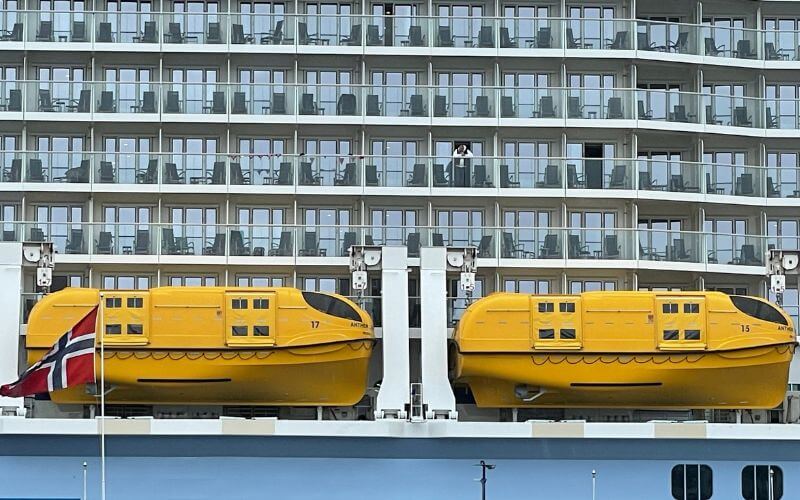
An area creating enough power for driving such an enormous vessel through water needs to be really big - very often engine rooms occupy at least three decks. Rather than long halls stretching the length of hulls, machinery is almost always divided into smaller compartments - one for the main engines, another for the heating/air-conditioning system. If a penetration to the hull or fire happens, multiple compartments help contain the damage. As mentioned, a large vessel needs a lot of fuel to power through the water and stay afloat.
Cruise Ship Methane Leak Shows Hidden Climate Impact - Bloomberg
Cruise Ship Methane Leak Shows Hidden Climate Impact.
Posted: Mon, 31 Jul 2023 07:00:00 GMT [source]
Size of the Ship
Given their enormous size and the need to power multiple systems and amenities, cruise ships have a significant appetite for fuel. The amount of fuel consumed by a cruise ship can vary greatly depending on several factors, including the ship’s size, speed, itinerary, and the technology implemented to improve fuel efficiency. Cruise ships have been exploring various technological advancements to reduce their fuel consumption and minimize their environmental impact. These strategies include optimizing ship design to reduce drag, improving engine efficiency, and utilizing alternative fuels such as liquefied natural gas (LNG). To mitigate the impact of these factors, cruise ships employ various strategies such as optimizing routes, using advanced navigation systems, and implementing energy-saving technologies.
For example, a third-generation engine and its performance between eco speed to full load vary considerably. This means every engine will have a unique consumption chart depending on these characteristics. While this is happening, most coastal sailing involves eco-friendly or slow motion. The excessive burning of fuel is thus limited by a balance of speed variation. Additionally, it guarantees that the vessel complies with local emission standards. For the duration of the ship’s life, its dimensions and construction are fixed.
Let’s talk about something rarely discussed but vitally important – cruise ship fuel. As the cruise industry evolves, so does its approach to fuel, from traditional methods to cutting-edge, eco-friendly innovations. Let’s look at the types of fuel that powers cruise ships, as well as their impact.
This includes experimenting with biofuels, hydrogen fuel cells, and other renewable energy sources to power cruise ships in the future. Understanding the factors that impact gas consumption and the environmental implications of this consumption is crucial as we strive for more sustainable travel options. Freedom class ships are all 1,112 feet long with an average speed of 21.6 knots. They are rumored to have a standard fuel consumption of 28,000 gallons of fuel per hour, which seems much higher than other similar ships. Their propulsion systems are state-of-the-art, providing a 10 to 15 percent fuel savings overall.
This pollution has detrimental effects on air quality, human health, and the environment. To address this issue, air quality regulations have been implemented to limit the emissions from cruise ships. Additionally, cruise lines are exploring alternative fuels such as liquefied natural gas (LNG) and hydrogen to reduce their environmental impact. Recognizing these environmental impacts, the cruise industry is taking steps to minimize its ecological footprint. Many cruise lines are investing in cleaner technologies, such as utilizing low-sulfur fuels, implementing exhaust gas cleaning systems (scrubbers), and exploring the use of renewable energy sources. Additionally, ongoing research focuses on developing more sustainable fuel alternatives and improving waste management practices.
Each diesel engine would burn 1,377 US gallons of diesel fuel an hour running at full power, or about 66,000 gallons a day. The only downside is that LNG is finite since it’s a fossil fuel, and we may not have enough to power us through for more than the next 50 years. Royal Caribbean has a series of upcoming LNG cruise ships, including the Icon of the Seas and Utopia of the Seas. If you’re an avid cruiser, have you ever thought about what type of fuel cruise ships use? The itinerary of the cruise ship also affects its average fuel consumption per day.
Royal Caribbean Group First Cruise Company in US to Sail Using Renewable Diesel Fuel - PR Newswire
Royal Caribbean Group First Cruise Company in US to Sail Using Renewable Diesel Fuel.
Posted: Fri, 28 Oct 2022 07:00:00 GMT [source]
The combination of these spices and ingredients creates a delicious and aromatic dish that is bursting with flavor. Whether it’s paired with succulent seafood or savory meats, the spicy rice bowl is a must-try when exploring the diverse and mouthwatering cuisine of the Bahamas. By working together, we can ensure that the enjoyment of cruising is not compromised while minimizing the industry’s impact on the environment.
This is rarely a problem because the majority of cruise ships cruise at 21 to 24 knots. It’s not as refined as gas, diesel, and other marine fuels, which makes it very harmful to the environment. Though some cruise ships run on bunker fuel, most use a more environmentally friendly fuels like gas, diesel, marine diesel, or liquified natural gas.


No comments:
Post a Comment